

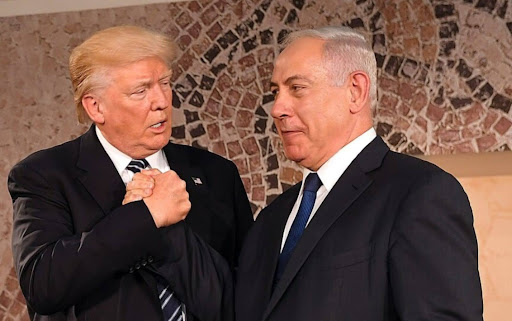
Israel’s decision to bomb Iran’s most vital energy asset has pushed tensions with Washington to the surface, revealing strategic disagreements that both governments had previously kept quiet. The target — South Pars, Iran’s largest gas field — was struck without what US President Donald Trump described as his blessing, prompting him to say publicly that he had urged Netanyahu not to proceed. The fallout was swift, with Iran launching retaliatory strikes on energy infrastructure across the region and Gulf allies calling on Washington to restrain Israel.
The strike caught international observers off guard, given how closely coordinated the joint US-Israel campaign against Iran had appeared to be in its early stages. Trump’s public pushback against the move was significant: speaking in the Oval Office, he said clearly that he had told Netanyahu not to carry out the attack. However, reports from multiple sources indicate that Washington did have advance knowledge of Israel’s plans — a detail that contradicts Trump’s own social media statement.
Netanyahu did not deny acting unilaterally, saying Israel “acted alone” while also confirming that he had agreed not to hit the gas field again following Trump’s request. He worked to cast the broader relationship in positive terms, calling Trump “the leader” and describing himself as a loyal ally. Netanyahu has long argued that Iran poses not just a threat to Israel but to the entire world, and framed the war as a shared mission.
Senior American officials have pushed back on the narrative of a fractured alliance, insisting that US strategy is guided by American national security priorities. The United States has focused its military efforts on degrading Iran’s missile systems, attacking its nuclear facilities, and striking naval targets. Israel’s approach has gone further, including targeted assassinations aimed at destabilizing Iran’s political and military leadership.
At the core of the divergence is a difference in ultimate goals. Trump has repeatedly said he wants to stop Iran from building a nuclear bomb. Netanyahu has articulated a wider vision — one involving a transformed Middle East and a more moderate Iranian government. As both leaders navigate domestic pressures and battlefield realities, how long they can paper over these differences remains an open and consequential question.