
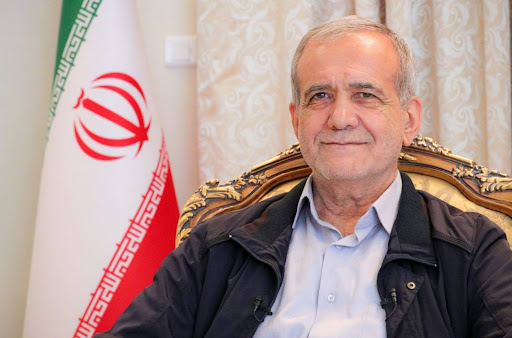
Iranian President Masoud Pezeshkian has carefully balanced an appeal to Gulf self-interest with the maintenance of military pressure, issuing a message that warns of continued retaliatory strikes while simultaneously offering a path out of the conflict. His statement, made more than a month into the Iran-US war, reflects the sophistication of Tehran’s approach to managing the conflict’s regional dimensions. Iran is clearly working on multiple levels to shape the outcome of the war.
Gulf nations such as Saudi Arabia, the UAE, Kuwait, Qatar, and Oman have been caught in the crossfire of the conflict primarily because of the US military presence on their soil. American strikes on Iran have been launched from these countries, prompting Tehran to retaliate against those same host nations. The resulting instability has placed Gulf governments under enormous pressure.
In a post on X, Pezeshkian reiterated Iran’s non-preemptive military stance while guaranteeing a strong response to any attack on Iranian infrastructure or economic centres. He then made a pointed appeal to Gulf leaders, urging them to deny enemy forces access to their territory and framing this as the path to genuine development and security. The message was carefully calibrated to be both a deterrent and a diplomatic invitation.
Pakistan has taken an active and consequential role in the peace process, with Prime Minister Shehbaz Sharif engaging Iranian leadership and other regional parties with skill and consistency. His meeting with Pezeshkian revealed that Iran sees trust as the foundational requirement for any formal peace talks. Pakistan’s contributions have been publicly praised by Tehran.
A multilateral diplomatic meeting in Pakistan is gathering senior officials from Saudi Arabia, Egypt, and Turkey for focused consultations on the conflict. Their discussions with Pakistani Foreign Minister Ishaq Dar and Prime Minister Sharif are aimed at producing a coordinated regional response to the war. The talks represent a significant opportunity to advance the diplomatic effort to end the conflict.