
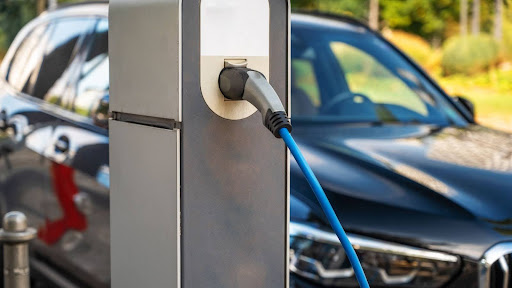
When the US launched military strikes on Iran, few drivers immediately thought about electric vehicles. But within 48 hours of the conflict beginning, something measurable happened: online searches for EVs began climbing sharply. That connection between geopolitical events and consumer vehicle preferences is now playing out in real time, as Americans contend with gasoline prices hitting $3.90 per gallon on average — the highest level in nearly three years.
The root cause lies in the disruption of oil supply routes through the Strait of Hormuz. Iran, responding to US and Israeli military operations, moved to restrict access to this narrow passage through which approximately 20 percent of the world’s oil flows. The resulting tightening of global oil markets pushed crude prices higher, and those costs were passed directly to American motorists at the pump.
Car-buying platform CarEdge reported a 20 percent increase in searches for electric vehicle models since the conflict began. Analyst Justin Fischer described the timing as unmistakably tied to the war. Edmunds, another automotive data firm, also confirmed a spike in online research into both new and used EVs, suggesting that drivers are actively exploring alternatives to gasoline-powered transportation.
The most immediate market opportunity may lie in the used EV segment. Vehicles like the Tesla Model 3, Chevy Equinox EV, and Nissan Leaf are now available in the pre-owned market at prices under $25,000, making them financially competitive with conventional used cars. For lower-income households that feel the pinch of high gas prices most acutely, these vehicles represent a practical path toward energy cost savings.
The long-term picture is complicated by policy headwinds. The current federal administration has reversed Biden-era EV incentives and rolled back vehicle emission standards, while also pushing back against California’s electric vehicle mandates. Automakers, meanwhile, have been heavily focused on high-margin SUVs and pickup trucks. Analysts suggest that unless gas prices remain elevated for an extended period, the current wave of EV interest may not translate into a sustained shift in purchasing behavior.