
As the United States grapples with ongoing inflationary pressures, the Federal Reserve has enacted its first interest rate increase since July 2023. The central bank raised its benchmark interest rate by 0.25 percentage points to a range of 3.75% to 4%. This move is part of a broader effort to control inflation, which has remained stubbornly high despite previous monetary policy adjustments.
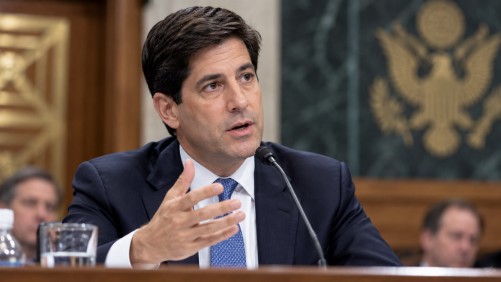
Federal Reserve Chair Kevin Warsh emphasized that inflation levels are still concerning, with recent economic data failing to show significant reductions in underlying price pressures. The decision to raise rates comes amid a steady unemployment rate, highlighting the Fed’s focus on inflation control over immediate employment concerns.
Meanwhile, US President Donald Trump has called for a reduction in interest rates, advocating for lower borrowing costs. His stance has highlighted the critical role of the Federal Reserve’s independence in determining monetary policy, especially as the nation navigates economic challenges.
In its latest projections, the Federal Reserve has hinted at the possibility of an additional rate increase before the year concludes. Officials also anticipate that it will take several years for inflation to align with the central bank’s 2% target, a reflection of the complex economic landscape influenced by factors such as rising energy prices.
The impact of increased interest rates is far-reaching, affecting everything from mortgages to business loans. As borrowing costs rise, the Fed aims to temper demand and alleviate price pressures. This rate hike follows a period of significant monetary tightening after inflation reached a peak of 9.1% in June 2022, leading to a series of rate increases through 2022 and 2023. Subsequently, rates were cut in 2024 and 2025, before this most recent adjustment.
Inflation continues to be a pressing concern for American households, eroding purchasing power and dampening consumer sentiment. As the Federal Reserve maneuvers through these complex economic conditions, the balance between controlling inflation and sustaining economic growth remains delicate.