
Engaging in regular physical activity can do more than enhance physical fitness; it may also reduce the likelihood of experiencing a stroke and extend life expectancy, according to a recent study investigating the prolonged health impacts of such activity. The research focused on individuals both with and without atrial fibrillation (AFib), a prevalent heart rhythm disorder characterized by an irregular heartbeat. Over a span of approximately 13.5 years, researchers analyzed the relationship between varying levels of physical activity and the risks of stroke and mortality.
The results indicate that even minimal physical activity can yield significant health advantages. Participants who maintained an active lifestyle had up to a 19% reduced risk of stroke and were 22% less likely to die from any cause compared to those who led less active lives. This suggests that incorporating some form of movement into daily routines can substantially impact health outcomes.
In particular, the study highlighted the potential life-extending benefits of physical activity for individuals with atrial fibrillation. Depending on their activity levels, these individuals could gain between 0.50 and 1.15 additional years of life. Those who engaged in low levels of activity saw an increase of about 0.50 years, while those with moderate activity gained roughly 0.66 years, and more active participants could expect up to 1.15 extra years. Atrial fibrillation increases the risk of blood clots and stroke, emphasizing the importance of cardiovascular health for those affected by the condition.
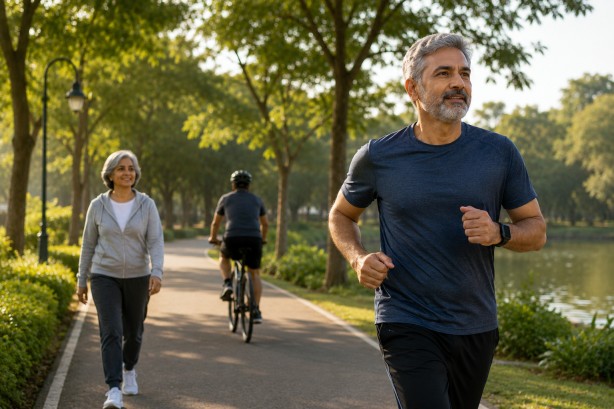
Crucially, the research underscores that physical activity doesn’t require high-intensity workouts or long-distance running to be beneficial. Activities such as walking, cycling, swimming, and even household chores contribute to a more active lifestyle. The essential message is to minimize prolonged periods of inactivity and progressively incorporate more movement into everyday life.
Overall, the findings advocate that engaging in any level of physical activity is preferable to none at all, and maintaining a higher degree of activity can offer additional advantages in terms of long-term health and longevity. By prioritizing regular movement, individuals can significantly enhance their overall well-being and life expectancy.