
The United States has taken a significant step by labeling Brazil’s two major criminal groups, the First Capital Command (PCC) and the Red Command, as foreign terrorist organizations. This decision arises from concerns over their extensive involvement in drug trafficking, organized crime, and the broader threat they pose to regional security. With this designation, these groups join the ranks of other criminal organizations in Latin America that have been similarly recognized for their illicit activities.
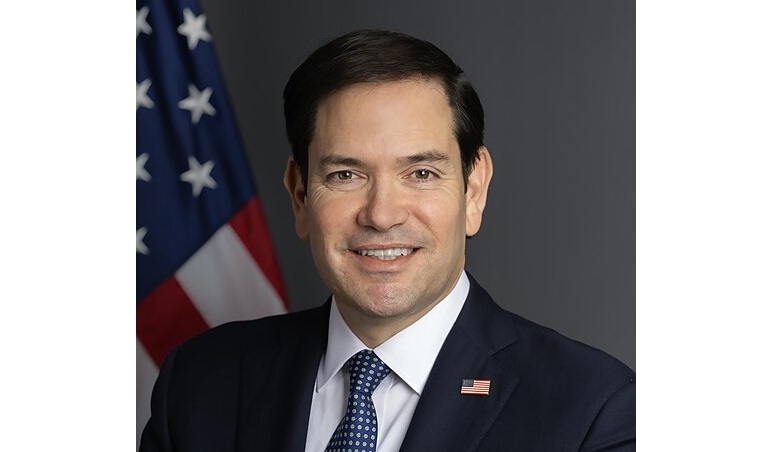
US Secretary of State Marco Rubio highlighted the extent of the threat posed by these groups, noting their reputation as two of the most violent criminal organizations in Brazil and their expansion into various parts of Latin America, including the United States. Originally rooted in Brazil’s prison system, both the PCC and the Red Command have grown into formidable transnational crime syndicates. They are significantly involved in the trafficking of cocaine, which is primarily produced in neighboring countries and then distributed to markets in North America and Europe.
Despite the US’s decisive action, Brazilian President Luiz Inácio Lula da Silva has expressed reservations about the designation. He has argued that Brazil already has effective mechanisms to address organized crime and raised concerns about the implications for national sovereignty. Notwithstanding these concerns, Brazilian authorities have intensified their crackdown on PCC operations, with recent efforts focusing on alleged attempts to penetrate the financial sector.
The US’s decision comes at a politically sensitive time, as it could influence the dynamics of Brazil’s upcoming presidential election. Opposition parties have largely welcomed the classification, viewing it as a necessary international stance against organized crime. As analysts continue to evaluate the potential ramifications, questions remain about how this designation might affect financial transactions and cooperation on regional security matters.