
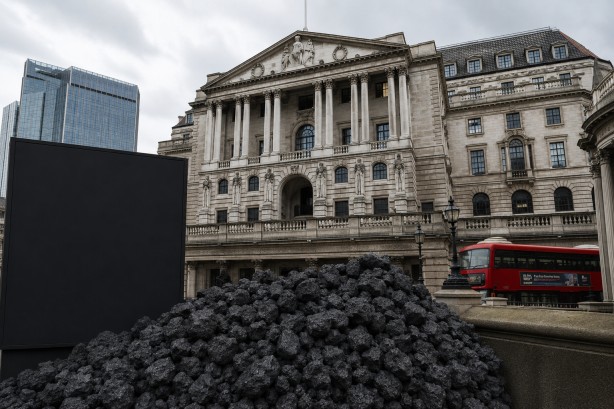
In a decisive move to address the financial risks associated with climate change, the Bank of England has declared that, starting from October, it will no longer accept bonds tied to thermal coal companies as collateral in its lending operations. This policy shift is seen as a critical measure to curb financial exposure to industries heavily reliant on fossil fuels, particularly in the context of increasing global efforts to transition towards cleaner energy sources.
Commercial banks often rely on bonds as collateral when borrowing from central banks to ensure smooth daily operations and to facilitate transactions. However, under the new directive, bonds associated with thermal coal, which is extensively used in electricity generation, will be excluded from eligibility. The central bank has highlighted the escalating financial risks that thermal coal companies face as global momentum towards greener energy and net-zero emissions intensifies, potentially diminishing the value of coal-related assets over time.
In addition to this exclusion, the Bank of England has retained the option to apply discounts to bonds from other sectors that are vulnerable to climate-related risks. This strategy aims to safeguard its balance sheet from future losses that could arise due to environmental challenges. Such measures are viewed as a proactive step in managing the central bank’s risk exposure while aligning financial practices with broader environmental goals.
The decision has been positively received by environmental advocacy groups, who argue that it sends a powerful message to financial markets. This could potentially drive commercial banks to reassess their investments in highly polluting industries. Already, more than 150 major financial institutions globally have imposed restrictions on transactions linked to the thermal coal sector, reflecting a growing trend towards sustainable finance.
Analysts emphasize that the success of this policy will heavily depend on the methods used to evaluate climate risks and the possibility of extending similar restrictions to other environmentally detrimental activities in the future. As the financial sector continues to grapple with the implications of climate change, the Bank of England’s new policy serves as a significant indicator of the evolving landscape of financial regulations aimed at fostering sustainability.