
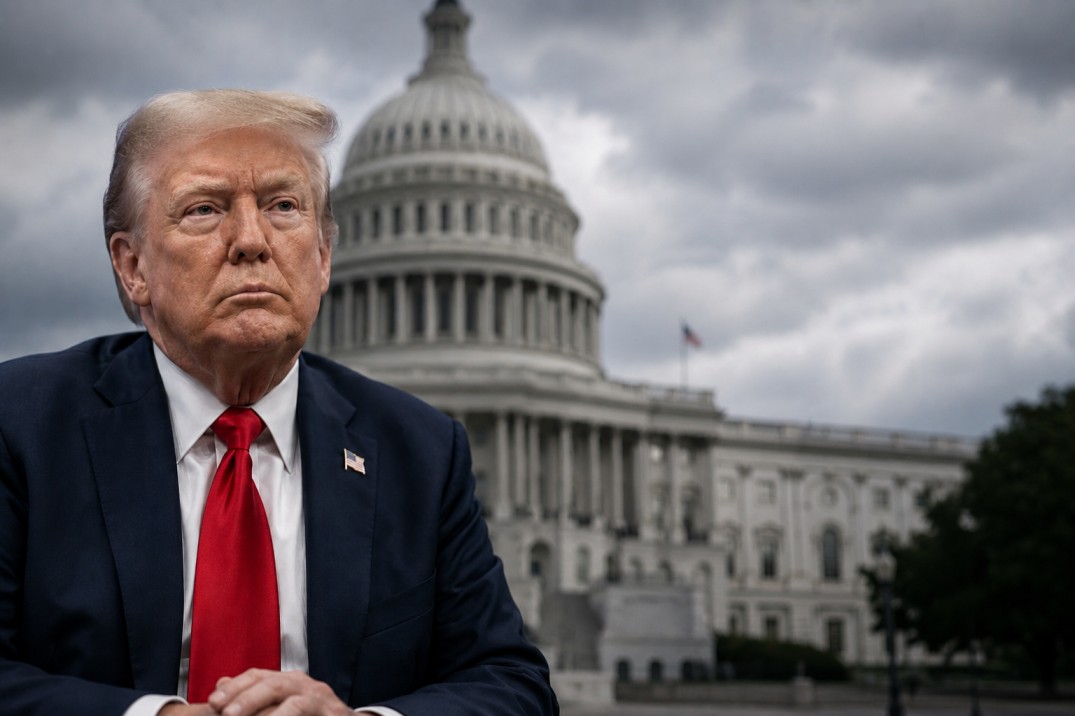
The Department of Justice under the Trump administration has initiated a significant move by sending official warnings to election authorities across all 50 states and the District of Columbia. These letters caution that allowing noncitizens to register or vote in federal elections could lead to criminal charges. This directive stresses the necessity for states to adhere to federal mandates, which stipulate that only eligible U.S. citizens are permitted to participate in federal voting processes.
The letters demand that state officials provide a response within five days, detailing the steps they are implementing to ensure that voter rolls are accurate and that ineligible individuals are not casting votes. This action represents a notable intensification of federal involvement in election management, a domain that traditionally falls under state and local jurisdiction. The Trump administration has consistently advocated for increased security measures to prevent voting by noncitizens, despite the absence of evidence indicating that such voting is widespread enough to influence election outcomes in the United States.
In reaction, several state election officials have expressed disapproval of the letters, arguing that they introduce unnecessary threats and pressure. Officials from various states, including Utah and Arizona, have defended their current voter verification procedures. They maintain that their systems are already in compliance with both federal and state laws to ensure that only legitimate citizens are registered to vote.
While the federal government argues for stricter safeguards, the tension between state and federal responsibilities in election management has resurfaced. State officials emphasize that their existing systems are robust and effective, suggesting that the federal warnings may be unwarranted. As the dialogue continues, the balance between ensuring secure elections and respecting state autonomy remains a contentious issue in the ongoing evolution of U.S. electoral processes.