
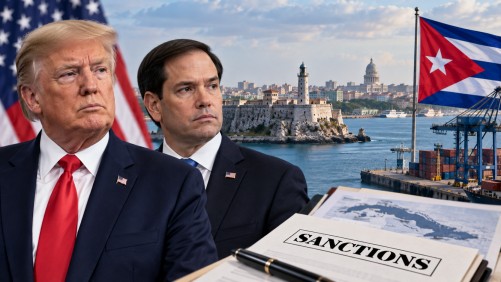
As the United States intensifies its sanctions on Cuba, a growing number of business figures, political allies, and investors from Washington and Florida are eyeing potential opportunities on the island. The tightening of economic restrictions by the Trump administration has led to significant challenges for foreign companies operating in Cuba, particularly affecting sectors like mining, tourism, shipping, and banking. This shift has opened the door for American interests to step in.
A key area of interest is Cuba’s mining sector. In recent developments, US groups have reportedly shown interest in acquiring the stake held by Canadian company Sherritt International in a nickel and cobalt mining venture, under pressure from increased sanctions. Ray Washburne, a businessman and Trump ally, and Texas investor Albert Huddleston, known for his White House connections, are among those vying for this position. Similarly, Australia-based Antilles Gold is negotiating a transfer of its interest in a copper-gold project to the US investment firm Global Emerging Markets due to sanction pressures.
Opportunities are also being explored within the tourism and real estate sectors as major European hotel companies scale back their presence in Cuba. Business executives linked to the Trump Organization have reportedly revisited the island to investigate new ventures, indicating a shift in interest as international players retreat.
Moreover, US companies engaged in trade and logistics are finding new prospects amid the sanctions. There has been a notable increase in oil exports from Florida and Texas to Cuba’s private sector, while Florida-based shipping companies are benefiting from the hurdles faced by international carriers in serving the island.
With an eye on Cuba’s future, lobbying firms and organizations connected to figures like Trump and Secretary of State Marco Rubio are actively participating in shaping the economic landscape. These groups are offering advice to businesses with Cuban interests and developing plans for investment and energy development, as well as addressing compensation for properties confiscated by the Cuban government.
Cuban-American groups are also preparing for the potential of a political and economic shift on the island, with discussions underway about attracting substantial private investment from Cuban exiles. These developments underscore the competitive landscape among businesses and political networks seeking influence over Cuba’s economic future amidst heightened US pressure.