
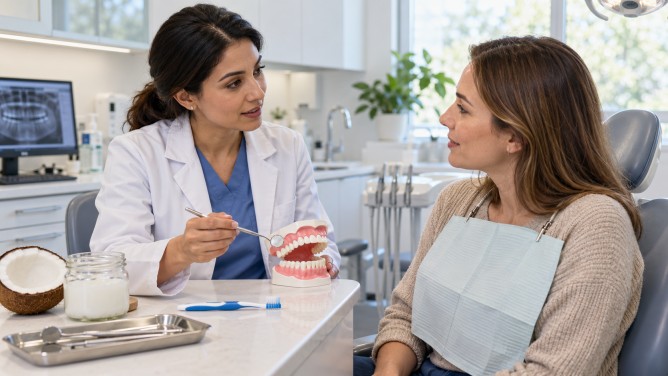
A bright smile is a universal aspiration, yet the path to achieving it is often clouded by misleading dental myths. Many popular oral care trends, including charcoal toothpaste, coconut oil pulling, and DIY baking soda mixtures, are promoted online but lack scientific backing. Understanding which practices truly protect dental health is crucial to avoiding unnecessary damage and maintaining healthy gums.
One common myth is that charcoal toothpaste is the best method for whitening teeth. While activated charcoal may remove some surface stains, its abrasive nature can erode enamel with frequent use, leading to increased sensitivity and exposure of the yellowish dentin layer. For safer whitening, dentists advise using fluoride toothpaste and consulting a professional for effective solutions.
Another misconception is that coconut oil pulling can replace brushing. Despite some claims of oral health benefits, there is insufficient evidence that oil pulling effectively prevents cavities or whitens teeth. It cannot substitute the proven effectiveness of brushing twice daily with fluoride toothpaste and regular flossing.
Homemade baking soda mixtures also come under scrutiny. Although baking soda can remove surface stains, DIY mixtures often lack the fluoride necessary to strengthen enamel and may lead to erosion if acidic ingredients like lemon juice are added. Instead, choosing a fluoride toothpaste formulated for daily use is recommended.
The allure of online LED whitening kits is also questioned. While at-home products with hydrogen or carbamide peroxide can be effective, the presence of LED lights does not guarantee better results. Incorrect use of these products can cause gum irritation and sensitivity. Dentists recommend using reputable products and seeking advice for sensitive teeth or existing dental conditions.
Moreover, professional teeth cleaning is often misunderstood as a permanent whitening solution. While it removes plaque and some stains, it does not change the natural tooth color. For deeper discoloration, a dentist can recommend suitable treatments based on individual oral health needs.
To maintain oral health, it is essential to adopt consistent habits. Brushing twice daily with fluoride toothpaste, cleaning between teeth, limiting sugary snacks and drinks, and avoiding tobacco are effective methods. Regular dental check-ups and seeking professional guidance before attempting whitening treatments are advised to protect enamel and keep gums healthy.