
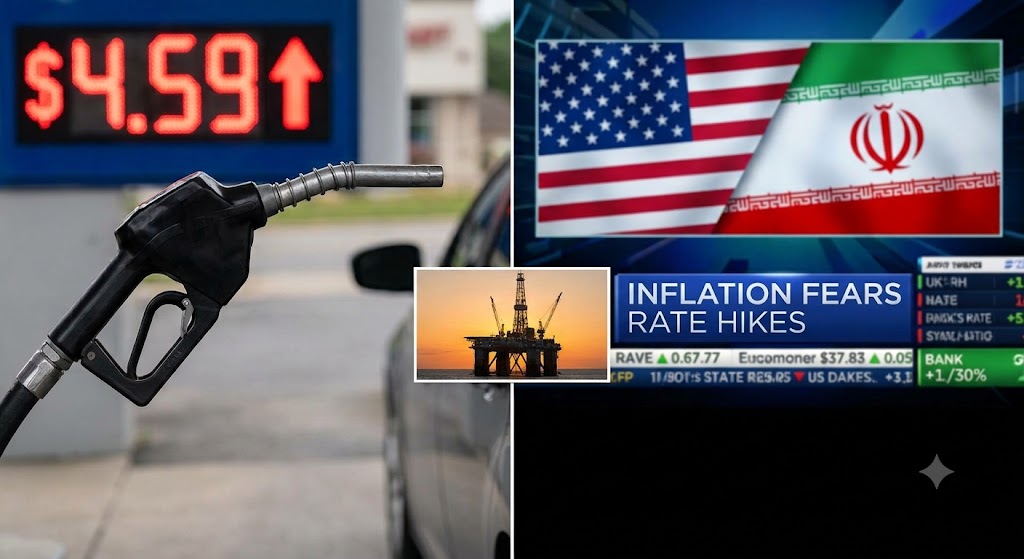
The global oil and gas markets experienced a surge in prices following an escalation of military hostilities between the United States and Iran, which sparked fears over potential disruptions to energy supply chains and heightened inflationary pressures. At one point, Brent crude oil reached its peak level in over a month, though prices moderated somewhat after U.S. President Donald Trump decided to retract a proposed 20% tariff on vessels navigating the critical Strait of Hormuz.
This uptick in energy costs has fueled speculation that several central banks, such as the Bank of England and the European Central Bank, may contemplate raising interest rates later in the year as a countermeasure to inflation. Initially, bond yields climbed, and European stock markets saw a decline amid worries about the potential new levy on shipping. However, markets managed to recover once concerns over the shipping fee subsided.
Analysts are cautioning that persistent tensions in the Middle East could continue to inject volatility into energy markets. Such instability could have far-reaching effects on global inflation rates and possibly influence monetary policies across various economies in the upcoming months.
The Strait of Hormuz remains a pivotal artery for global oil transportation, and any threat to its openness can have significant implications for international energy markets. The situation underscores the fragile interplay between geopolitical events and economic indicators, such as inflation and interest rates, which are closely watched by policymakers and investors alike.