
The ongoing conflict between Russia and Ukraine continues to have significant implications for global energy supplies. As fighting persists, the focus is increasingly on the energy sector, with Ukrainian forces intensifying their attacks on Russian energy infrastructure. Most recently, Ukraine launched a major strike on the Moscow region, targeting a large oil refinery, which resulted in three fatalities. These developments have prompted international calls for de-escalation.
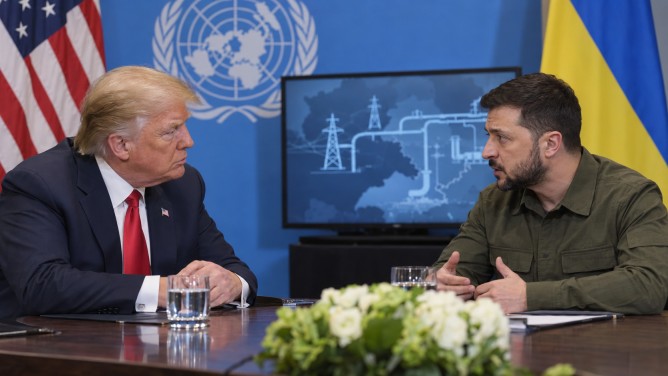
Amid this backdrop, U.S. President Donald Trump is expected to meet with Ukrainian President Volodymyr Zelenskyy on the sidelines of the United Nations General Assembly in New York. The talks are anticipated to center on the possibility of a ceasefire aimed at stopping attacks on energy infrastructure. Trump’s call for an end to the conflict is driven by concerns over its impact on global energy supplies, which are already strained by the disruptions.
President Trump has previously spoken out against Ukrainian attacks on Russian diesel and fuel facilities, arguing that such actions exacerbate global energy shortages. In a recent phone call with Zelenskyy, Trump reiterated his stance, emphasizing the need for restraint in targeting energy infrastructure.
For his part, President Zelenskyy has indicated that negotiations are ongoing, with discussions around proposals to ease tensions. He stressed that Ukraine’s energy facilities and critical infrastructure should also be protected from Russian attacks, and expressed Kyiv’s willingness to consider reciprocal de-escalation measures.
While Trump has announced that a tentative energy ceasefire had been reached between Russia and Ukraine, no formal agreement has been confirmed. The situation remains fluid, with Russian attacks on Ukrainian infrastructure continuing unabated. As Trump prepares to address the UN General Assembly, his meetings are expected to further focus on the global energy crisis and efforts to broker peace in the region.