
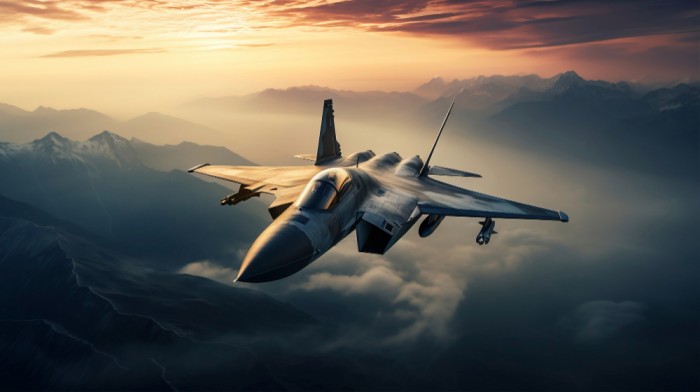
The United States has initiated a new series of military operations against Iran, marking a notable intensification in the ongoing tensions surrounding the Strait of Hormuz. These recent military actions focused on dismantling Iranian military infrastructure, a move that Washington asserts is crucial to diminishing Iran’s capacity to threaten commercial maritime operations and international shipping in the area.
In response to the strikes, President Donald Trump emphasized that the goal was to hold Iranian forces accountable for their actions. Meanwhile, Iran has fiercely criticized the attacks, arguing that they have sabotaged recent diplomatic initiatives and rendered negotiations futile. This sharp exchange underscores the fragile state of diplomacy between the two nations.
Previously, Iran had conducted missile and drone strikes targeting American military installations in multiple Gulf countries. Additionally, Iranian officials announced new restrictions on the movement of vessels through the Strait of Hormuz, stating that these limitations would remain in place until there is a restoration of stability in the region.
This latest bout of military exchanges has heightened worries over the security of one of the globe’s most vital energy passageways. The Strait of Hormuz is a critical conduit for global oil and liquefied natural gas shipments, and the rekindling of hostilities has already led to increased global oil prices, fueled by concerns over potential long-term disruptions.
Despite the rising tensions, the United States has reiterated its commitment to ensuring freedom of navigation and safeguarding the passage of commercial ships within the region. American forces are expected to continue their operations aimed at securing this crucial maritime route, highlighting the ongoing strategic importance of the Strait of Hormuz in international trade and energy supply.